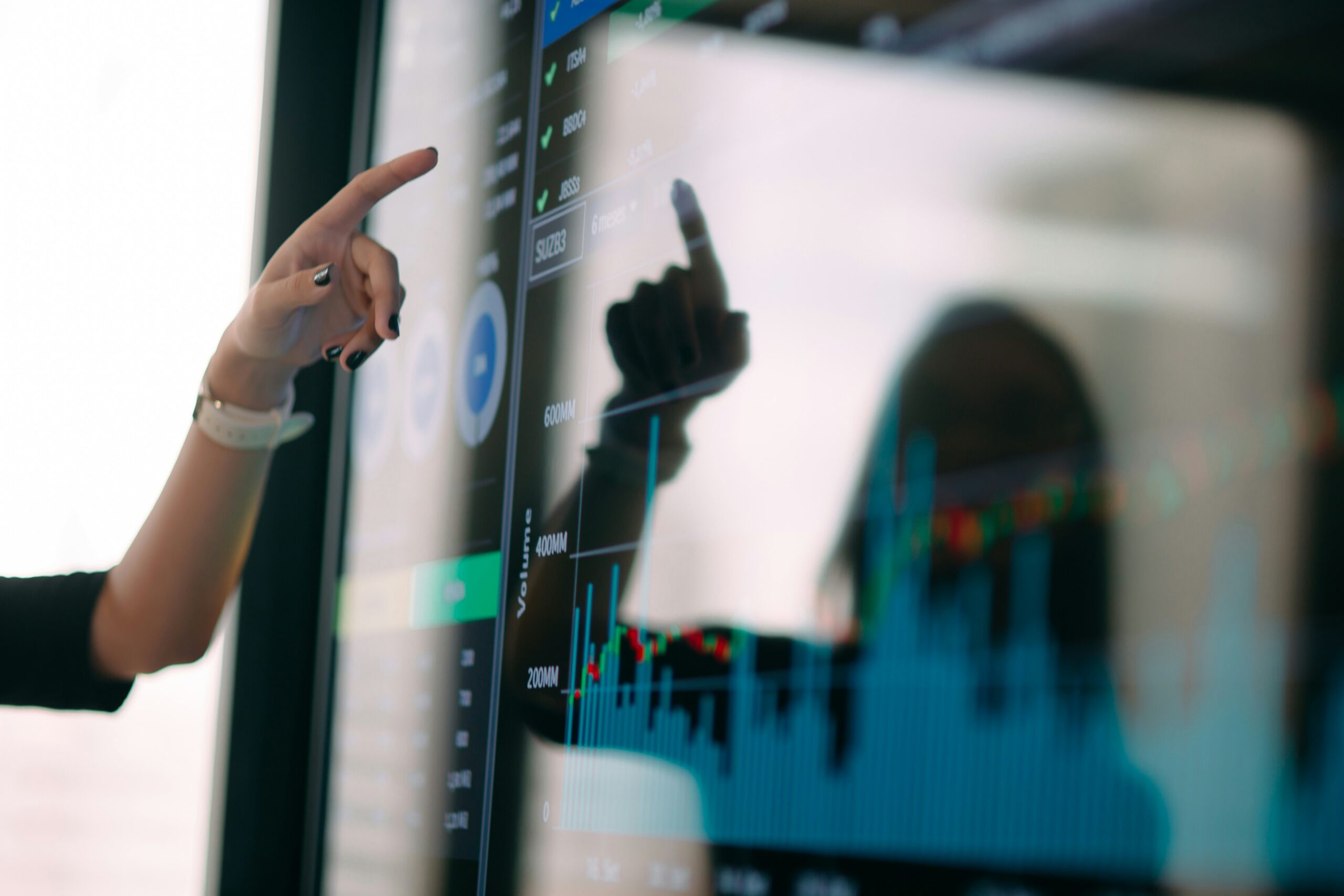
For decades, financial planning has been a retrospective art, a meticulous study of past transactions, credit scores, and self-reported life goals. But in 2026, a profound shift is underway. The most forward-thinking wealth managers and fintech innovators are no longer just looking at your bank statements; they’re beginning to listen to your heartbeat. The integration of biometric data—physiological and behavioral metrics captured by wearables, smart devices, and even passive sensors—is forging a new frontier in hyper-personalized financial strategy. This isn’t about monitoring steps; it’s about correlating stress levels with spending triggers, sleep quality with investment risk tolerance, and cognitive load with major life purchase decisions. The era of the quantified self has irrevocably merged with the quantified portfolio.

The Biometric Feedback Loop: From Physiology to Finance
The core premise is deceptively simple yet technologically profound. Continuous streams of biometric data create a dynamic feedback loop that provides context to financial behavior in real-time. Imagine a system that doesn’t just see you purchased volatile cryptocurrency at 2 AM; it knows your heart rate variability was low and your sleep was fragmented the night before, suggesting impulsive behavior under stress. Conversely, it could recognize that your most disciplined investment contributions align with weeks where your physical activity and recovery scores are high, indicating optimal cognitive function.
This data moves planning from a static, quarterly review to a living, breathing dialogue. “We’re moving beyond asking clients ‘What are your goals?’ to understanding ‘In what physiological state do you make your best financial decisions?’” explains Dr. Anya Sharma, a behavioral economist at the Stanford Center for Longevity. “Biometrics give us an objective window into the subconscious drivers of financial health that clients often can’t articulate themselves.”
Key Biometric Signals and Their Financial Correlations
- Heart Rate Variability (HRV) & Galvanic Skin Response (GSR): These are premier indicators of stress and emotional arousal. A premium financial wellness app might detect a stress spike during market volatility and prompt a guided breathing exercise before the client can trigger a panic sell. Correlated with spending data, it can identify “stress spending” patterns.
- Sleep Architecture (Deep, REM, Light): Chronic poor sleep degrades executive function and risk assessment. Advisors using holistic financial planning platforms might notice a client’s risk tolerance questionnaire scores dip after a period of poor sleep and proactively adjust communication or temporarily automate decisions to avoid bias.
- Voice Pattern Analysis & Cognitive Load: During virtual meetings with a certified financial planner, AI can analyze speech patterns for signs of confusion or uncertainty when discussing complex products like annuities or estate planning tools, prompting the advisor to clarify in real-time.
Practical Applications: The 2026 Biometric-Advised Client Journey
So, what does this look like in practice for the high-net-worth individual or the financially conscientious professional? The integration is becoming seamless within premium service tiers.
1. Dynamic Risk Profiling and Portfolio Management
Gone are the days of a one-time risk questionnaire. Boutique wealth management firms now offer continuous risk assessment. A client’s wearable data, aggregated and anonymized for privacy, feeds into a dashboard that shows their “biometric risk capacity.” A month of high stress and poor sleep might trigger a system alert, suggesting a temporary shift to a more conservative asset allocation or the use of sophisticated hedging strategies until the client’s physiological baseline recovers. This is the pinnacle of personalized investment management services.
2. Behavioral Coaching and Financial Wellness Integration
The most sought-after financial concierge services in 2026 include a biometric coach. The service doesn’t just manage your capital; it helps manage your state of mind to protect that capital. For instance:
“Your data indicates a pattern of elevated stress every Friday evening, often followed by discretionary online purchases. Would you like to schedule a 10-minute mindfulness session via our app at 5 PM on Fridays, or set a temporary spending limit on your linked cards during that window?”
This proactive coaching, a blend of human insight and AI-driven pattern recognition, helps clients build healthier financial habits at a foundational, physiological level.
3. Insurance and Lending: The New Underwriting Paradigm
The insurance and lending industries are undergoing a parallel revolution. Willing clients can now opt into programs that use biometrics for more favorable terms. A top-tier life insurance provider might offer reduced premiums for consistently high HRV and sleep scores, as they correlate with longevity. Similarly, a private banking institution could use holistic financial and biometric data to assess a client’s stability for a major commercial real estate loan, looking at resilience markers beyond traditional credit history.
The Elephant in the Room: Privacy, Ethics, and Data Sovereignty
The power of biometric financial planning is matched only by its perils. The data involved is the most intimate possible—a digital map of your body and mind. The industry’s success hinges on solving the privacy paradox.
“The model must be one of explicit, granular consent and client-owned data vaults,” asserts Marcus Thorne, a partner at a cybersecurity law firm specializing in fintech. “Clients should be able to share specific data streams—’only my sleep data with my portfolio manager for risk assessment’—and revoke that access instantly. The era of blanket EULAs is over.” Leading platforms now use federated learning and homomorphic encryption, allowing algorithms to learn from data without ever centrally storing the raw biometric information itself. The question of ‘Which fiduciary advisors prioritize client data sovereignty?’ is now a primary differentiator for discerning clients.
The 2026 Landscape: Choosing Your Biometric-Financial Partner
For individuals considering this integration, due diligence is critical. The market has segmented into:
- Integrated Elite Wealth Firms: Full-service firms building proprietary biometric dashboards for their advisors, often partnering with luxury wellness retreats to offer holistic client offsites.
- Best-in-Class Fintech Aggregators: Secure apps that act as a hub, pulling data from your Apple Watch, Oura Ring, and financial accounts, providing insights and connecting you to vetted fee-only financial planners who are trained in interpreting this data.
- Specialized Biometric Coaching Services: Standalone offerings focused solely on the behavioral change piece, which can be used in tandem with a traditional advisor.
Key questions to ask any provider include: Where is my raw data stored? Who owns the insights derived from it? Can I export and delete my data entirely? What is your protocol in the event of a data breach?
Conclusion: The Inevitable Fusion of Well-Being and Wealth
The integration of biometrics into financial planning is not a fleeting trend; it is the logical culmination of personalized finance. In 2026, the most sophisticated financial plans are no longer just legal and tax documents with asset allocations. They are living systems that acknowledge a fundamental truth: our financial decisions are not made by rational spreadsheets, but by human beings whose physiology profoundly influences their perception of risk, reward, and security. The new frontier isn’t about replacing human judgment with data; it’s about arming both client and advisor with a deeper, more compassionate understanding of the human element behind every dollar. The ultimate goal is a state where financial capital and human capital are optimized in concert, leading to decisions that are not only profitable but sustainable and health-affirming. The future of wealth management beats in sync with your heart.
Photo Credits
Photo by Douglas Lopez on Unsplash
- Beyond the Paycheck: How Corporate Wellness in 2026 is Using Tech to Fortify Employee Financial Health – 21/04/2026
- The Centenarian Portfolio: Redefining Financial Planning for a 100-Year Life in the Age of Health Tech – 21/04/2026
- The Data Dividend: How Quantified Self Tech is Reshaping Insurance Premiums in 2026 – 21/04/2026

•
Leave a Reply