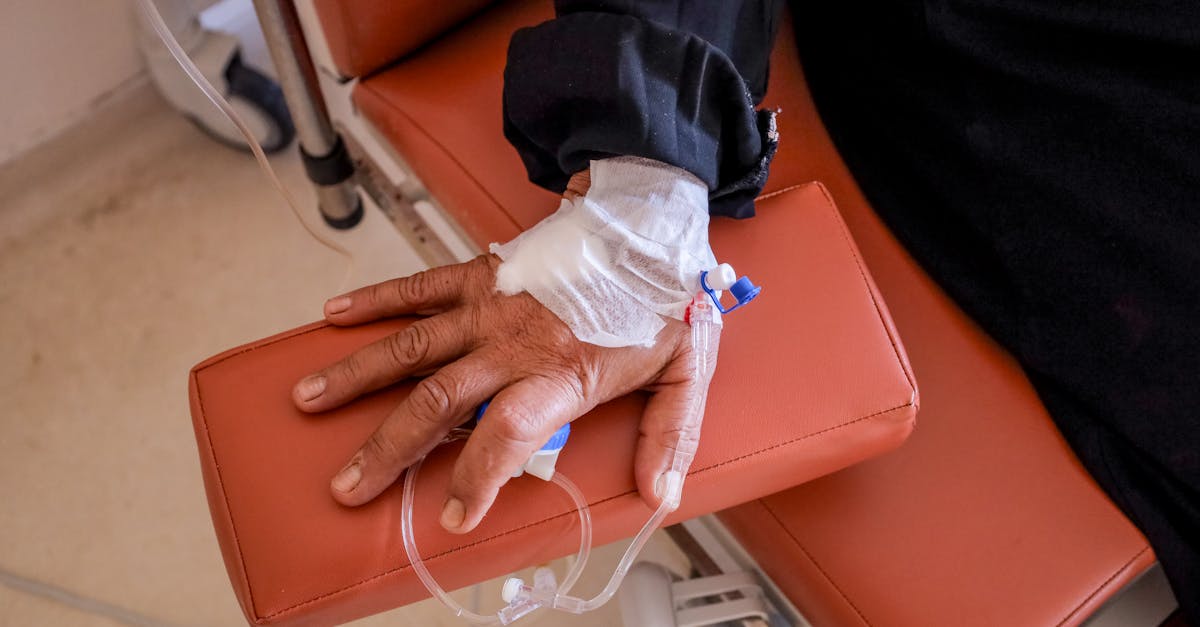
The landscape of amyloidosis management has undergone a fundamental transformation. As of 2026, the era of generalized, one-size-fits-all treatment protocols is over. We now operate in an environment of high-precision medicine, where the goal is to neutralize toxic protein aggregates before they cause irreversible organ damage.
This guide provides a definitive overview of the 2026 standards for the two most common forms of the disease: AL (Light Chain) Amyloidosis and ATTR (Transthyretin) Amyloidosis. Whether you are a patient, a caregiver, or a medical professional, understanding these advanced protocols is essential for achieving the best possible outcomes.
The 2026 Diagnostic Revolution: Catching Amyloidosis Early
The single most significant factor in improving prognosis is early diagnosis. In 2026, we have moved beyond reliance on clinical suspicion alone.
Artificial intelligence (AI) now plays a central role in identifying the disease before vital organs are compromised. AI-enhanced echocardiography can detect subtle changes in myocardial strain that are invisible to the human eye, flagging potential cardiac amyloidosis months or even years earlier than traditional methods.
For ATTR specifically, the 2026 standard relies on advanced PYP (pyrophosphate) scans. These nuclear imaging techniques have been refined for greater sensitivity, allowing for the definitive diagnosis of cardiac ATTR without the need for an invasive biopsy in the vast majority of cases.
Key Diagnostic Tools in 2026
- AI-Enhanced Echocardiography: Detects early diastolic dysfunction and reduced global longitudinal strain.
- Advanced PYP Scintigraphy: High-specificity imaging for cardiac ATTR, often eliminating the need for biopsy.
- Mass Spectrometry: The gold standard for typing amyloid deposits, distinguishing between AL and ATTR with absolute precision.
- Next-Generation Sequencing: Identifies specific TTR gene mutations, guiding personalized therapy choices.
AL Amyloidosis: The Era of Quadruplet Therapy and CAR-T
The treatment of AL amyloidosis in 2026 is defined by two major breakthroughs: the widespread adoption of daratumumab-based quadruplet regimens and the emergence of targeted cellular therapy.
The Standard: Daratumumab-Based Quadruplets
The backbone of frontline therapy is now a quadruplet regimen combining daratumumab (a CD38-targeting monoclonal antibody) with bortezomib, cyclophosphamide, and dexamethasone (Dara-VCd). This combination has demonstrated unprecedented rates of hematologic complete response (CR) and organ response.
The goal is to achieve a deep and durable suppression of the light chain-producing plasma cells, allowing the heart, kidneys, and liver to recover. For patients who achieve a CR, the long-term prognosis has improved dramatically.
The Breakthrough: NXC-201 CAR-T Therapy
For patients with relapsed or refractory AL amyloidosis, the landscape has changed irrevocably. The FDA has granted Breakthrough Therapy Designation to NXC-201, a novel chimeric antigen receptor T-cell (CAR-T) therapy specifically designed to target B-cell maturation antigen (BCMA).
This is not a theoretical future therapy; it is a 2026 reality. NXC-201 offers a potent, one-time infusion option for patients who have exhausted conventional therapies. Early trial data shows remarkable efficacy with a manageable toxicity profile, offering a genuine lifeline for those with limited alternatives.
ATTR Amyloidosis: Silencing the Source and Stabilizing the Protein
The management of ATTR amyloidosis in 2026 is driven by two complementary strategies: preventing the misfolded protein from causing damage and stopping its production at the genetic level.
Next-Generation TTR Stabilizers
Tafamidis was the first TTR stabilizer, but the field has advanced. Acoramidis (AG10) is a next-generation stabilizer that provides a more robust and complete stabilization of the tetrameric TTR protein. This prevents the dissociation that leads to toxic amyloid fibrils.
Clinical data from 2025 and 2026 confirm that acoramidis leads to superior outcomes in preserving cardiac function and reducing hospitalizations compared to earlier agents. It is now considered a first-line option for many patients with wild-type or variant ATTR cardiomyopathy.
RNA Silencing: Stopping Production at the Source
For patients with polyneuropathy or those with aggressive disease, RNA-silencing therapies represent the most powerful tool available. Vutrisiran, a subcutaneously administered RNA interference (RNAi) therapeutic, targets the TTR messenger RNA directly.
By degrading the mRNA before it can be translated into the TTR protein, vutrisiran effectively shuts off production of the toxic protein. This approach has demonstrated the ability to halt the progression of neuropathy and stabilize cardiac disease, offering a profound disease-modifying effect.
Managing Organ Involvement: A Multidisciplinary Approach
Amyloidosis is a systemic disease, and effective management in 2026 requires a coordinated, multidisciplinary team. The following organ-specific strategies are now standard of care.
Cardiac Amyloidosis
- Heart Failure Management: Use of neurohormonal antagonists (beta-blockers, ACE inhibitors) is now guided by advanced imaging to avoid hypotension.
- Arrhythmia Control: Aggressive management of atrial fibrillation with anticoagulation, even in the presence of a low CHA2DS2-VASc score, due to high stroke risk.
- Device Therapy: Implantable cardioverter-defibrillators (ICDs) are considered for patients with significant ventricular arrhythmias.
Renal Amyloidosis
- Nephroprotection: Strict blood pressure control and use of SGLT2 inhibitors to slow progression of proteinuria.
- Dialysis Planning: Early referral for vascular access creation, as many patients will progress to end-stage renal disease.
- Transplant Eligibility: Renal transplantation is considered in highly selected patients with controlled hematologic disease.
Neurologic Amyloidosis
- Pain Management: Multimodal analgesia, including gabapentinoids and tricyclic antidepressants for neuropathic pain.
- Autonomic Support: Use of midodrine for orthostatic hypotension and octreotide for gastroparesis.
- Physical Therapy: Aggressive rehabilitation to maintain mobility and prevent contractures.
Monitoring and Response Assessment
The 2026 standard for monitoring disease response is rigorous and data-driven. For AL amyloidosis, the goal is a hematologic complete response, defined by a negative serum free light chain ratio and negative serum and urine immunofixation.
For ATTR, monitoring relies on serial measurements of transthyretin levels, cardiac biomarkers (NT-proBNP, troponin), and advanced imaging. A reduction in amyloid burden on PYP scan or cardiac MRI is a powerful predictor of long-term survival.
Regular follow-up with a specialized amyloidosis center is no longer optional; it is the standard of care. These centers offer access to clinical trials for emerging therapies and the multidisciplinary expertise required to manage complex cases.
The Future is Precision
The path forward is clear. The days of treating amyloidosis with a blunt instrument are over. In 2026, we have the tools to diagnose the disease earlier, to precisely target the underlying pathology, and to monitor response with unprecedented accuracy.
From daratumumab-based quadruplets and NXC-201 CAR-T therapy for AL, to acoramidis and vutrisiran for ATTR, the therapeutic arsenal is more potent and more specific than ever before. The key for patients and providers is to remain informed, to seek care at centers of excellence, and to embrace these advanced precision strategies for managing amyloidosis in 2026.
- Water Recovery 2026 – 23/04/2026
- Roofing Systems 2026 – 23/04/2026
- Plumbing Systems 2026 – 23/04/2026

Leave a Reply