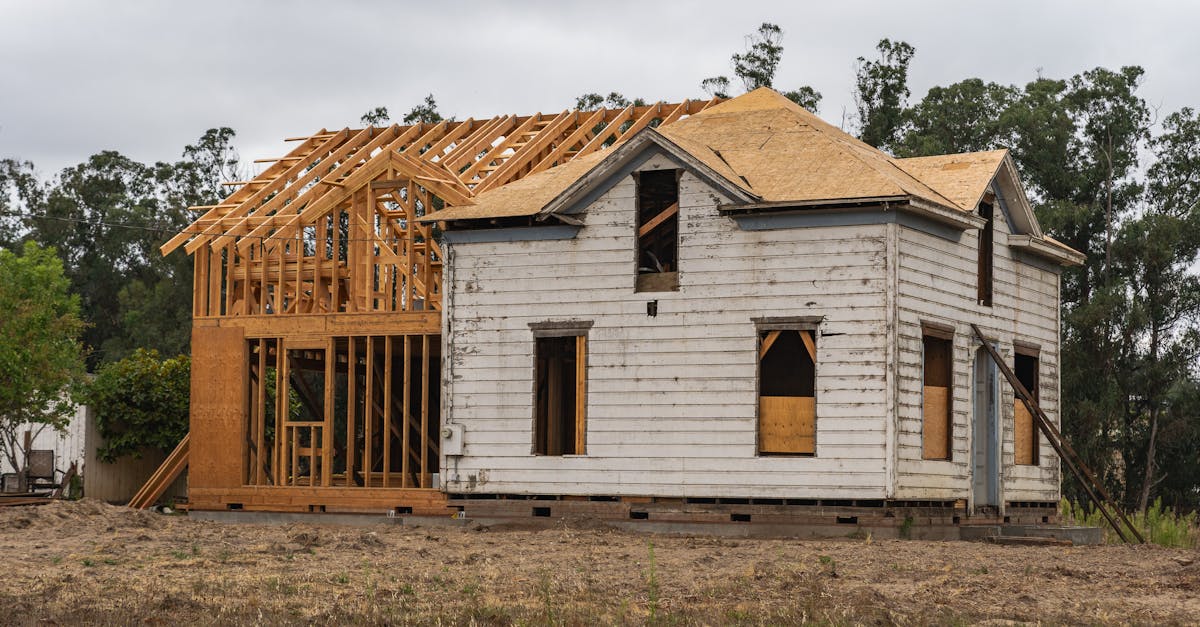
Water damage is not just a structural problem; it is a biological race against time. Every minute of standing water or trapped moisture accelerates the decay of building materials and invites microbial growth.
The modern approach to water recovery has evolved far beyond fans and wet vacuums. In 2026, the industry relies on the precise science of psychrometry—the study of air and moisture—to control vapor pressure and save homes.
Understanding Psychrometry in Restoration
Psychrometry is the backbone of professional structural drying. It governs how air temperature, humidity, and vapor pressure interact to remove water from porous materials.
Restoration technicians manipulate these variables to create a drying environment that pulls moisture from wood, drywall, and concrete. The goal is to lower the vapor pressure inside the material below the vapor pressure of the surrounding air.
The Four Key Psychrometric Factors
- Temperature: Warm air holds more moisture. Technicians raise the temperature to increase the air’s capacity to absorb water.
- Relative Humidity: Lower RH creates a steeper drying gradient, accelerating evaporation from wet surfaces.
- Vapor Pressure: The driving force of moisture movement. Technicians create a vapor pressure deficit to pull water out of materials.
- Airflow: Moving air disrupts the boundary layer of saturated air on wet surfaces, speeding up evaporation.
Mastering these factors allows professionals to dry a structure in days rather than weeks, preventing the secondary damage that often exceeds the cost of the original water intrusion.
The Critical 48-Hour Window
The first 48 hours after water intrusion are the most critical for preserving structural integrity. During this window, materials are still salvageable if drying begins immediately.
After 48 hours, mold spores begin to germinate and colonize porous surfaces. Wood starts to swell and delaminate. Drywall wicks moisture upward, compromising entire walls.
The 2026 standards emphasize that rapid intervention is non-negotiable. Waiting even 12 hours can transform a simple drying job into a complex remediation project.
Distinguishing Water Categories
Not all water is created equal. The restoration industry categorizes water into three distinct classes, each requiring a different response protocol.
Category 1: Clean Water
This water originates from sanitary sources like broken supply lines, overflowing sinks, or rainwater. It poses no immediate health risk but can degrade to Category 2 if left untreated.
Category 2: Gray Water
Gray water contains significant contamination and can cause illness. Sources include dishwasher overflows, washing machine leaks, and toilet bowl overflows (without feces).
Category 3: Black Water
This is the most dangerous category. Black water contains pathogenic agents, sewage, and bio-hazardous materials. Sources include sewer backups, flooding from rivers or streams, and standing water that has supported microbial growth.
Proper identification of water category determines the PPE requirements, disposal protocols, and whether materials can be dried or must be removed and replaced.
Thermal Imaging: Seeing the Invisible
Hidden moisture is the silent destroyer of homes. Water can travel through wall cavities, under flooring, and into insulation without ever showing a visible stain.
Thermal imaging cameras detect temperature differentials caused by evaporative cooling. Wet materials are cooler than dry ones, creating a distinct thermal signature.
In 2026, thermal imaging is considered the gold standard for moisture mapping. It allows technicians to:
- Locate moisture behind walls and under floors without destructive probing.
- Track drying progress in real-time to avoid over-drying or under-drying.
- Document the extent of water damage for insurance claims with visual evidence.
- Identify structural weaknesses caused by prolonged water exposure.
Without thermal imaging, restoration is guesswork. The science of drying demands empirical data, not assumptions.
AI-Driven Moisture Tracking
Artificial intelligence has entered the restoration industry with transformative effect. AI-driven moisture tracking systems analyze data from multiple sensors to create a comprehensive drying model.
These systems predict drying times with remarkable accuracy, adjusting equipment placement and settings automatically to optimize performance.
The benefits of AI integration include:
- Elimination of human error in moisture assessment.
- Continuous monitoring without requiring on-site personnel.
- Data-driven documentation for insurance compliance.
- Early detection of drying plateaus that require intervention.
AI does not replace the technician; it augments their expertise with real-time analytics that would be impossible to calculate manually.
IoT-Connected Dehumidifiers and Insurance Integration
The Internet of Things (IoT) has revolutionized how drying data is collected and shared. Modern dehumidifiers are equipped with sensors that transmit real-time performance metrics to cloud-based platforms.
This connectivity serves a dual purpose: it ensures optimal drying conditions and provides transparent documentation for insurance providers.
Insurance companies now accept IoT-generated drying logs as proof of proper restoration protocols. This accelerates claim approvals and reduces disputes over the scope of work.
Key data points tracked by IoT systems include:
- Ambient temperature and relative humidity.
- Moisture content of structural materials.
- Equipment runtime and energy consumption.
- Vapor pressure differentials across drying zones.
This level of granularity transforms restoration from an art into a verifiable science.
Mold Prevention Through Vapor Pressure Control
Mold requires three things to thrive: moisture, warmth, and a food source. Controlling any one of these factors prevents growth, but moisture is the only variable that can be actively managed during restoration.
Vapor pressure control is the mechanism by which moisture is removed from materials. By maintaining a lower vapor pressure in the air than in the wet material, technicians create a continuous drying gradient.
When vapor pressure is properly managed, the material’s moisture content drops below the threshold required for mold germination—typically around 15-16% for wood and 1% for drywall.
This scientific approach eliminates the guesswork that leads to recurrent mold problems and costly callbacks.
The Role of Containment and Air Filtration
Proper containment is essential for effective drying and mold prevention. Negative air pressure systems isolate the affected area, preventing contaminated air from spreading to clean zones.
HEPA filtration captures airborne spores and particulate matter, maintaining indoor air quality throughout the drying process.
Containment also allows technicians to control the psychrometric environment more precisely, concentrating drying power where it is needed most.
Structural Integrity: What Is at Stake
Water damage does not stop at the surface. It penetrates deep into the structural skeleton of a building, compromising load-bearing elements over time.
Wood framing absorbs moisture and begins to rot. Steel fasteners corrode. Concrete wicks moisture upward, causing spalling and weakening.
The 2026 standards emphasize that rapid structural drying is not optional—it is a requirement for preserving the safety and value of the property.
Insurance companies are increasingly denying claims for secondary damage that results from delayed or inadequate drying. The science of psychrometry provides the evidence needed to prove that proper protocols were followed.
The Future of Water Recovery
The restoration industry is moving toward fully automated drying systems that combine AI, IoT, and advanced psychrometric modeling. These systems will require minimal human intervention while delivering optimal results.
For property owners, this means faster recovery times, lower costs, and greater confidence that their homes are truly dry.
Understanding the science behind rapid structural drying empowers homeowners and professionals alike to make informed decisions when water damage strikes.
The 48-hour window, the distinction between clean and black water, the power of thermal imaging, and the precision of AI-driven tracking all converge into a single, undeniable truth: water damage is a solvable problem when approached with the right knowledge and tools.
By mastering the principles of psychrometry and leveraging the latest technology, the restoration industry is saving homes, protecting health, and redefining what is possible in water recovery. The facts are clear, and the tools are available. The only question is whether action is taken within the critical window that separates a simple dry-out from a full-scale remediation.
- Water Recovery 2026 – 23/04/2026
- Roofing Systems 2026 – 23/04/2026
- Plumbing Systems 2026 – 23/04/2026

Leave a Reply