Imagine a world where your financial app doesn’t just track your spending on gym memberships and organic groceries, but actively rewards you for the measurable health outcomes they produce. Where securing a loan for a life-changing medical procedure is as seamless as a one-click purchase, underwritten by your own verifiable health data with your explicit consent. This is no longer speculative fiction; it is the tangible reality of 2026, where the once-discrete sectors of financial technology (FinTech) and health technology (HealthTech) have converged into a powerful, consumer-centric ecosystem. This fusion is not merely a technological novelty but a fundamental rewiring of how individuals manage, fund, and optimize their most valuable asset: their health.
The New Frontier: From Silos to Synergy
For years, FinTech and HealthTech evolved on parallel tracks. The former revolutionized payments, investing, and lending, while the latter brought us telemedicine, wearable devices, and electronic health records. The inflection point arrived with advanced data interoperability frameworks, sophisticated AI-driven analytics, and crucially, a regulatory environment that has begun to catch up with innovation. The synergy is simple in concept but profound in impact: HealthTech generates rich, personal data on our well-being, while FinTech provides the mechanisms to act on that data—to save, spend, invest, and insure in smarter, more personalized ways. The modern consumer is no longer a passive patient or a generic cardholder but an active participant in a holistic life-management loop.
Personalized Insurance and Proactive Wellness Economics
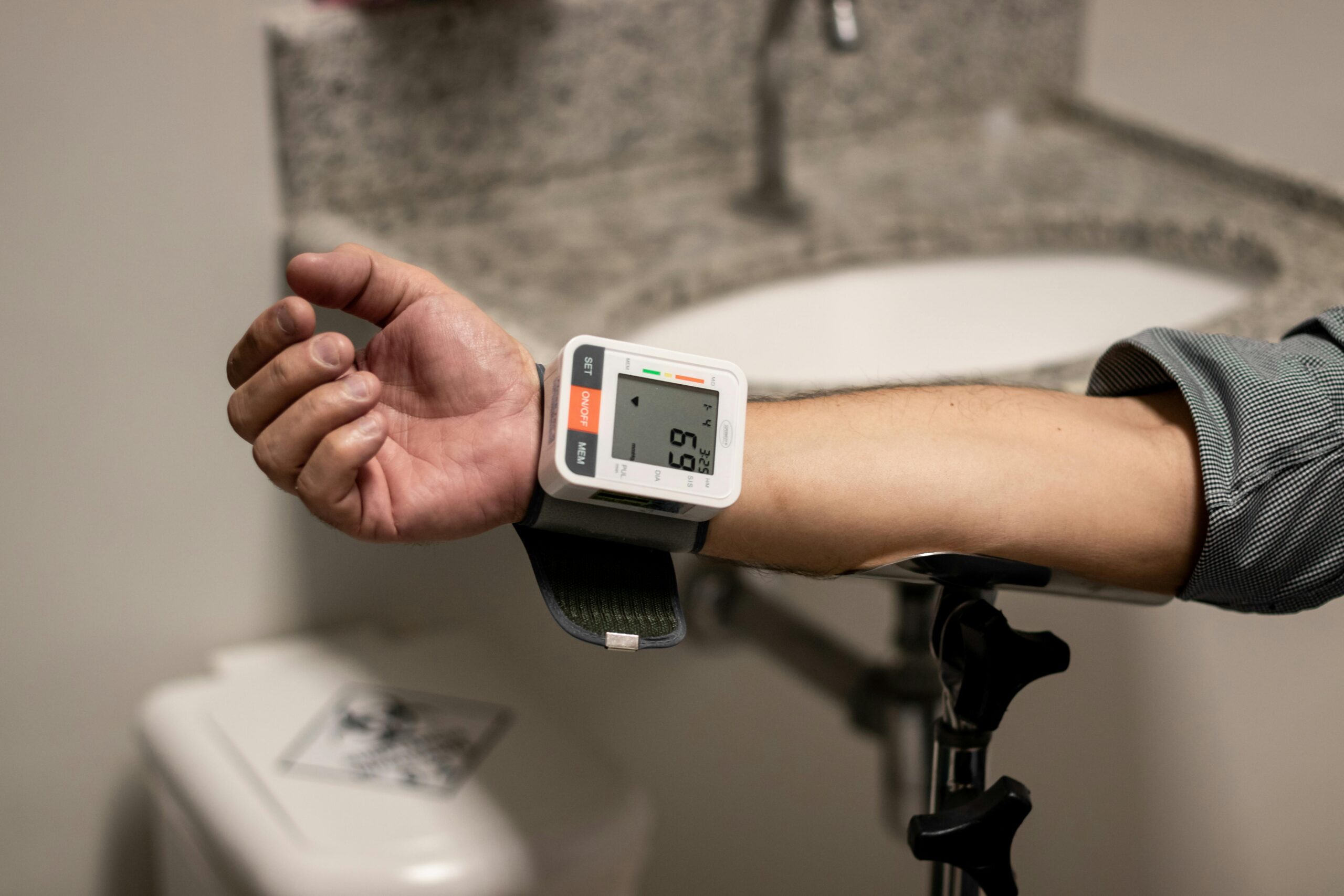
The most visible transformation is in the insurance sector. The old model of reactive claims processing is giving way to dynamic, behavior-based partnerships. Leading digital health insurance platforms now integrate directly with data from FDA-approved wearable devices and at-home diagnostic kits. Instead of vague discounts for a step count, we see sophisticated incentive structures. For instance, a user managing hypertension through a connected blood pressure monitor and verified medication adherence via a smart pill bottle could see their premium adjustments calculated in real-time, not at annual renewal. This creates a powerful proactive wellness economy, where financial benefits are directly tied to health stewardship. Consumers are effectively leveraging their own data as a form of capital to negotiate better terms with top-tier health and wellness insurers.
Health-Focused Financial Products and “Care Credit”
FinTech lenders have entered the healthcare financing space with models far more nuanced than generic credit cards. Specialized healthcare financing solutions now offer tailored loans for elective procedures, fertility treatments, or cutting-edge genetic therapies. These aren’t blanket offers; they are often pre-approved based on an individual’s financial and health profile, with rates that reflect a more complete risk assessment. Furthermore, the rise of Health Savings Account (HSA) investment platforms has turned these tax-advantaged vehicles into powerful wealth-building tools. Modern HSA providers offer curated investment portfolios for long-term healthcare capital allocation, integrating spending analytics to forecast future medical needs and optimize savings rates. This turns a simple savings account into a strategic health wealth fund.
High-Value Integration in Daily Life: Practical Applications
Beyond insurance and lending, the integration manifests in daily financial decision-making. Consider the following scenarios now common in 2026:
- Smart Spending Categorization: A financial wellness app doesn’t just code a transaction at a sporting goods store as “Shopping.” It recognizes the purchase of running shoes, links it to your fitness app goals, and categorizes it under “Health Investment,” providing a clearer picture of true wellness-related capital allocation.
- Integrated Care Navigation & Payment: A digital therapy platform doesn’t just connect you with a licensed psychologist; it bundles session booking, automated insurance pre-authorization, and co-pay processing into a single, frictionless experience, often facilitated by embedded specialized payment gateways for healthcare services.
- Pharmacogenomic Financial Planning: With the rise of affordable genetic testing, some forward-thinking registered investment advisors (RIAs) specializing in healthcare planning are incorporating insights (with client consent) into long-term care and retirement planning, modeling for predispositions and potential future care costs.
What Are the Leading Platforms for Integrated Health and Wealth Management?
This burgeoning field has given rise to a new category of holistic platforms. Companies like HealthCoin (a pseudonym for illustrative purposes) aggregate user-permissioned data from banks, credit agencies, wearables, and electronic medical records through secure APIs. Their AI generates a “Vitality Score,” a composite of financial and physical health. This score can unlock benefits across partnered networks—from better rates on critical illness insurance policies to preferential terms on medical tourism packages at accredited international hospitals. The value proposition is a unified dashboard for one’s complete well-being, where financial and health metrics are given equal weight and seen as intrinsically linked.
Navigating the Critical Challenges: Privacy, Equity, and Access
This powerful convergence is not without its perils. The creation of such detailed “health-financial profiles” raises monumental questions about data sovereignty and privacy. The regulatory landscape in 2026, including evolved versions of GDPR and HIPAA, mandates clear, granular consent management. Consumers must be empowered as the ultimate owners of their data, with transparent controls over who accesses it and for what purpose. There is also a genuine risk of a “health-wealth gap,” where only those already financially and digitally literate can access the best benefits, potentially exacerbating disparities. Ensuring equitable access to these tools is one of the sector’s most pressing challenges, requiring deliberate design and inclusive policy frameworks.
How Can Consumers Vet a FinTech-HealthTech Provider’s Security?
Due diligence is paramount. Consumers should look for providers that are not just financially regulated but also health-data compliant. Key indicators include certifications like HITRUST CSF, transparent data encryption policies, and clear, jargon-free explanations of their data monetization (or lack thereof). Trust is the foundational currency of this entire ecosystem.
The 2026 Outlook: A More Proactive and Personalized Future
As we look ahead, the trajectory points toward even deeper personalization and predictive capabilities. We are moving from reactive “sick care” financing to proactive “healthcare” ecosystems. Imagine AI that analyzes your spending patterns, health data, and genetic markers to nudge you toward specific nutritional supplements available via partnered direct-to-consumer pharmacy services, automatically applying loyalty rewards. Or, blockchain-based secure health data lockers that allow you to seamlessly share specific records with a medical loan underwriter to secure financing for a procedure, without exposing your entire history.
The ultimate promise of the FinTech-HealthTech intersection is empowerment. It demystifies and democratizes the economics of well-being, giving individuals the tools and incentives to take an active, informed role in their health journey. The modern consumer of 2026 is increasingly a manager of a personal bio-financial portfolio, making daily decisions that compound in value for both their longevity and their financial security. The fusion of these two powerful technological forces is finally creating a framework where our financial health and our physical health are recognized for what they truly are: two sides of the same coin.
Photo Credits
Photo by Lucas Oliveira on Pexels
- Beyond the Paycheck: How Corporate Wellness in 2026 is Using Tech to Fortify Employee Financial Health – 21/04/2026
- The Centenarian Portfolio: Redefining Financial Planning for a 100-Year Life in the Age of Health Tech – 21/04/2026
- The Data Dividend: How Quantified Self Tech is Reshaping Insurance Premiums in 2026 – 21/04/2026

•
Leave a Reply