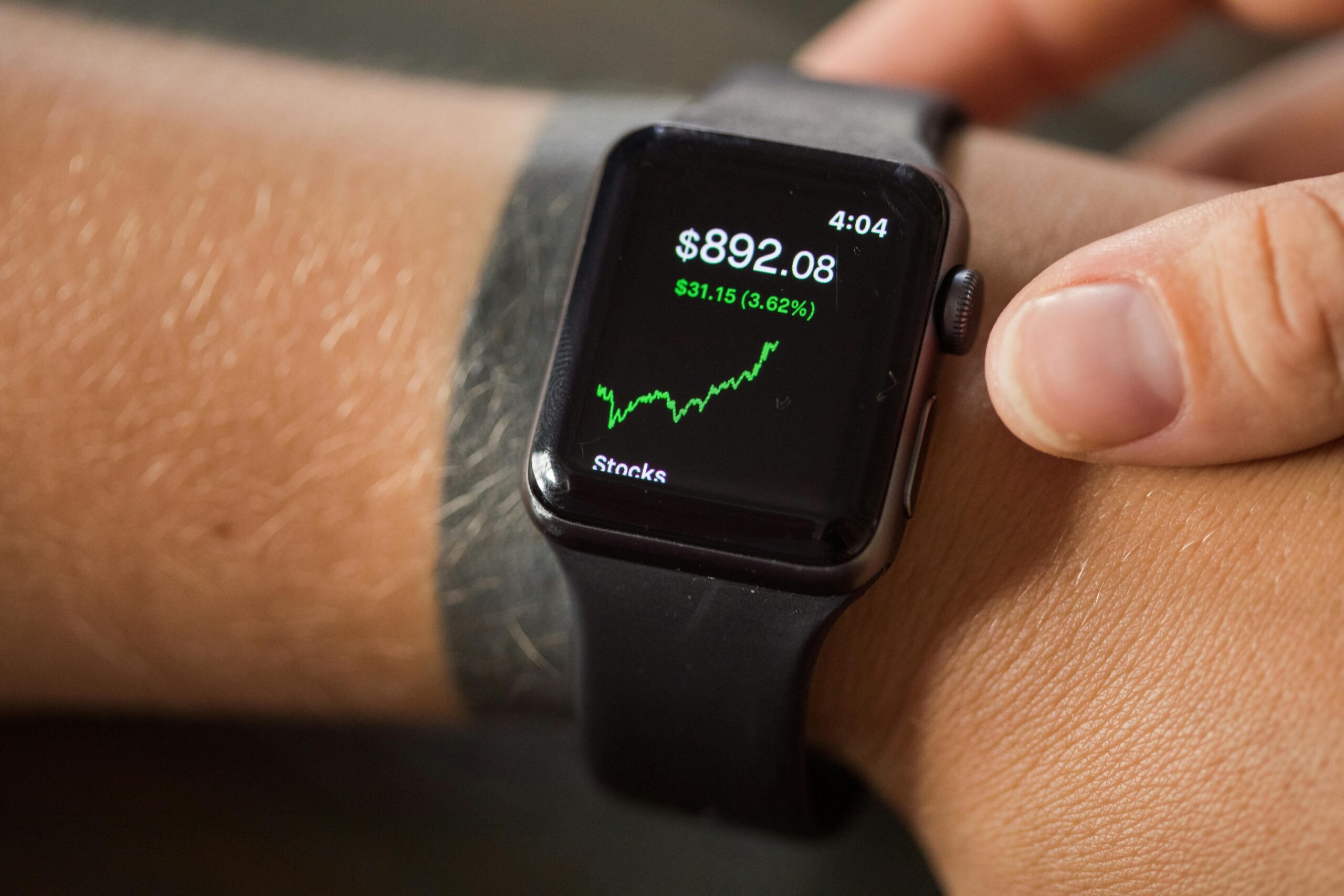
Imagine a world where your smartwatch doesn’t just count your steps but actively guides your financial portfolio, or where a biosensing ring can detect a metabolic shift before your annual physical. This is no longer the realm of science fiction. As we move through 2026, a profound convergence is underway: the once-distinct domains of personal finance and healthcare are merging on our wrists, fingers, and clothing, driven by an explosion in sophisticated, AI-powered wearable technology. This fusion is creating a new paradigm of the “quantified self,” where continuous streams of physiological and behavioral data are being translated into actionable insights for both fiscal and physical health, empowering individuals with unprecedented control and foresight.

From Fitness Trackers to Financial Advisors: The Data-Driven Wallet
The evolution of wearable tech has moved far beyond basic activity metrics. Today’s devices—from advanced smartwatches and biosensor-embedded smart rings to next-generation smart fabrics—are equipped with a suite of clinical-grade sensors. These include continuous glucose monitors (CGMs), electrodermal activity sensors for stress, medical-grade ECG, and even early-stage non-invasive blood pressure monitoring. The real revolution, however, lies in the sophisticated machine learning algorithms that analyze this data, creating a holistic picture of an individual’s health and, by extension, their financial risk and opportunity.
Personalized Insurance and Proactive Health Capital
One of the most significant impacts is in the insurance sector. In 2026, we see a mature market for usage-based insurance models that reward healthy behaviors verified by wearable data. Leading life and health insurance providers now offer dynamic premium adjustments. For instance, consistently maintaining healthy sleep patterns, managing stress through verified mindfulness sessions tracked by your device, and achieving personalized activity goals can directly lower monthly premiums. This transforms health from an abstract concept into tangible health capital, with direct financial ROI.
Companies like John Hancock (with its Vitality program) and newer insurtech players have pioneered this, but the 2026 landscape is defined by hyper-personalization. Wearables provide the immutable data stream that makes these models viable and fair, moving from broad demographics to individual behavior.
Integrated Wealth-Health Platforms
The most groundbreaking development is the rise of integrated platforms that sync wearable data with financial apps. Imagine your retirement planning tool, such as Personal Capital or Betterment, receiving anonymized health trend data (with explicit user consent). Advanced algorithms can then model potential long-term healthcare costs based on your real-time biometrics, allowing for more accurate long-term care funding and retirement capital allocation.
Furthermore, premium rewards cards and financial institutions are leveraging this data to offer unique incentives. A bank might offer boosted cash-back rates for hitting monthly wellness goals or contribute to your health savings account (HSA) for maintaining a healthy glucose variance. This creates a powerful feedback loop: investing in your health yields direct financial benefits, which can be reinvested into further wellness pursuits.
The Preventative Healthcare Revolution: From Treatment to Prediction
On the healthcare front, wearables are shifting the entire model from reactive treatment to proactive prediction and prevention. The continuous, passive collection of data provides a rich, longitudinal health record far more revealing than a snapshot from an annual check-up.
Chronic Condition Management and Remote Patient Monitoring
For the millions managing conditions like diabetes, hypertension, or atrial fibrillation, wearables in 2026 are indispensable. Integrated CGMs sync with insulin pumps in closed-loop systems. ECG monitors can detect arrhythmias and automatically send a report to a cardiologist via a secure portal. This enables remote patient monitoring (RPM) at scale, reducing hospital readmissions and allowing top-tier medical specialists to oversee patients’ vitals in real-time from anywhere. This isn’t just convenient; it’s life-saving and drastically reduces out-of-pocket medical costs for patients.
Early Detection and the Role of AI Diagnostics
The predictive power of aggregated wearable data is its most promising aspect. By establishing individual baselines, AI can detect subtle deviations that may signal illness. For example, a combination of elevated resting heart rate, decreased heart rate variability, and slight changes in skin temperature might predict the onset of an infection like COVID-19 or flu days before symptoms appear. In 2026, these “early warning systems” are becoming standard features, prompting users to take preventative measures or seek early, less invasive (and less expensive) medical consultation.
This proactive approach is catching conditions like sleep apnea, pre-diabetes, and potential cardiovascular issues earlier than ever, fundamentally altering patient outcomes and lifetime healthcare cost planning.
Navigating the New Frontier: Privacy, Access, and Ethical Considerations
This brave new world of quantified health and finance does not come without significant challenges. The central tension revolves around data ownership, privacy, and the potential for bias.
Data Sovereignty and Cybersecurity: Who owns your biometric data—you, the device manufacturer, or the insurance company? In 2026, legislation like enhanced versions of GDPR and new U.S. federal laws are taking shape, emphasizing user consent and data portability. Consumers must diligently review agreements with their wearable tech providers and understand how their data is monetized. Robust cybersecurity is non-negotiable, as a breach of biometric data is fundamentally different from a stolen password.
The Equity Divide: There is a risk of creating a two-tier system where those who can afford advanced wearables and concierge health services reap lower insurance costs and better health outcomes, while others are left behind. Ensuring equitable access to these life- and wealth-enhancing technologies is a critical societal challenge.
Algorithmic Bias: If AI models are trained on non-diverse datasets, their health and financial recommendations could be biased. Continuous auditing of these algorithms for fairness is paramount to ensure they serve all populations equally.
The 2026 Outlook: A Fully Integrated Life-Stack
Looking forward, the trajectory is toward a fully integrated “life-stack.” We are moving beyond single devices to ecosystems where your smart ring talks to your health app, which informs your financial planner, which adjusts your insurance and investment contributions in a seamless, automated feedback loop. The role of the human advisor—be it a financial planner or a physician—is evolving into an interpreter of this data, helping clients navigate the insights and make nuanced life decisions.
Partnerships between tech giants like Apple and Google and major healthcare systems and financial institutions will deepen. We will see more bespoke wellness-financial packages, where signing up for a certain level of private health management comes with integrated financial planning tools tailored to your predicted healthspan.
Conclusion: The Empowered, Informed Individual
The revolution fueled by wearable tech in 2026 is ultimately about empowerment and integration. By providing a continuous, data-rich mirror of our physical and financial selves, these devices are breaking down silos. They enable a proactive approach where investing in one’s health is directly linked to financial resilience, and where financial planning is informed by a deep understanding of one’s health trajectory. While navigating the privacy and ethical implications remains crucial, the potential is staggering: a future where individuals are not passive patients or consumers but informed, active managers of their most valuable assets—their well-being and their wealth. The quantified self is evolving into the optimized self.
Photo Credits
Photo by RDNE Stock project on Pexels
- Beyond the Paycheck: How Corporate Wellness in 2026 is Using Tech to Fortify Employee Financial Health – 21/04/2026
- The Centenarian Portfolio: Redefining Financial Planning for a 100-Year Life in the Age of Health Tech – 21/04/2026
- The Data Dividend: How Quantified Self Tech is Reshaping Insurance Premiums in 2026 – 21/04/2026

•
Leave a Reply